
DevOps
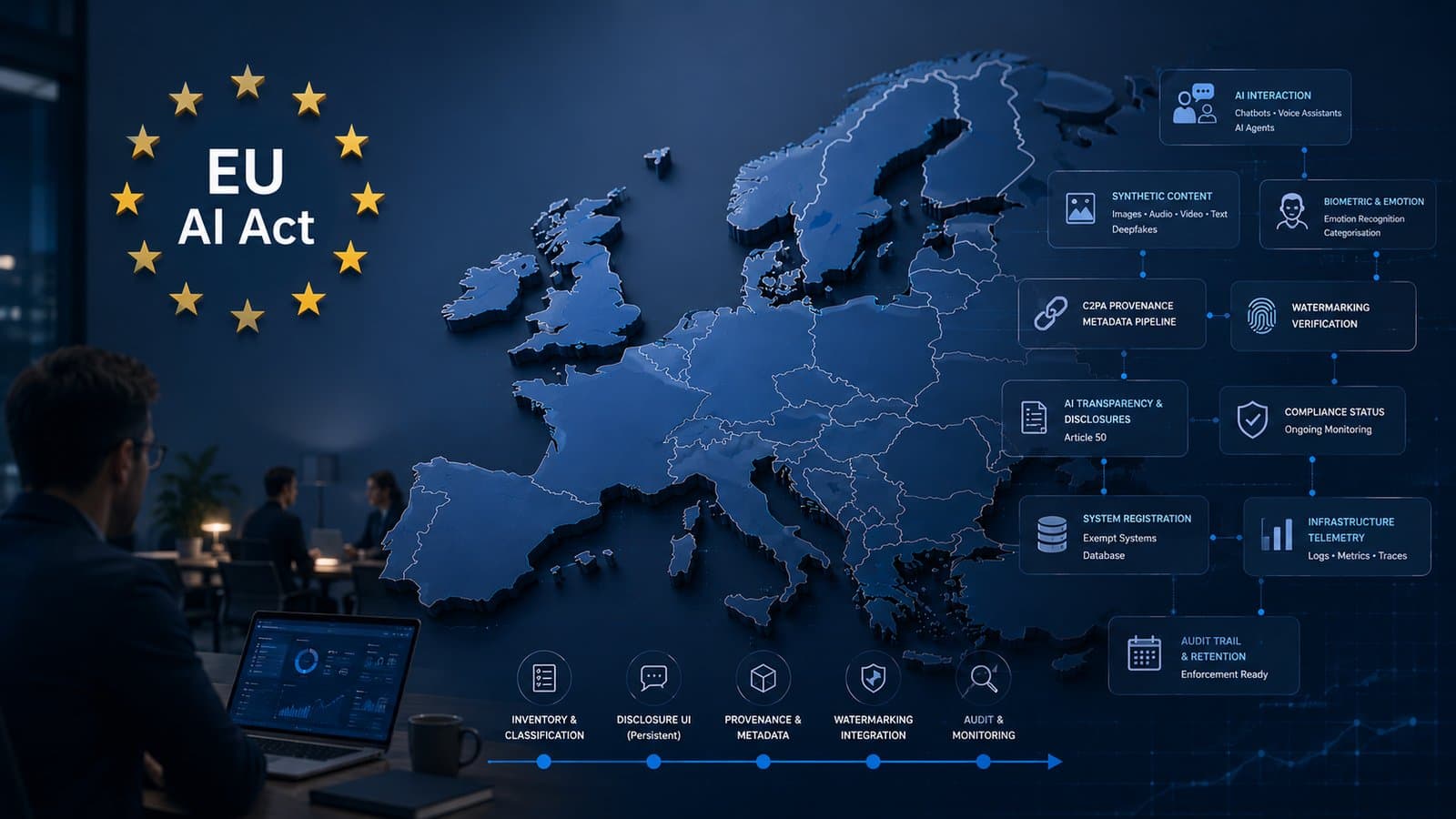
The EU AI Act’s August 2 Deadline Didn’t Move. Here’s What Still Hits in 10 Weeks.
There’s a comforting story circulating in European tech leadership circles right now: that the deadline has slipped.
“DevOps is dead!”
We bet you’ve heard this statement at least once in the last year.
Since the recent boom of AI technologies, a bunch of professions got labeled as “done,” “finished,” and “to-be-replaced-by-AI.”
And DevOps makes no exception.
However, is there a grain of truth in this outrageous statement?
Can Artificial Intelligence take over the DevOps operation entirely?
Well, you are at the right place because in the following lines will explore:
Before we delve into the impact of AI on DevOps, it is essential to understand the fundamental concepts of both disciplines.
DevOps is a set of practices that combine software development (Dev) and IT operations (Ops) to create a continuous and iterative development process. It emphasizes collaboration, communication, and integration between development, testing, and operations teams to deliver high-quality software faster.
Conversely, AI refers to the simulation of human intelligence in machines, enabling them to perform tasks that typically require human cognition, such as learning from experience, reasoning, and problem-solving. AI systems use algorithms and large datasets to recognize patterns, make predictions, and improve their performance over time.
Here’s the truth:
Monitoring and managing data generated in DevOps environments involves a high level of complexity and presents a significant challenge for teams to collect and utilize this information efficiently. Moreover, the sheer volume of data, in some cases reaching into exabytes, can sometimes overwhelm teams.
Considering that, AI tools offer invaluable assistance, as manual analysis of such massive datasets would be time-consuming and fall short of meeting the demands of modern businesses.
However, this doesn’t mean AI can replace the human input a seasoned DevOps specialist can provide.
AI’s role is to augment and enhance DevOps, not replace them. While AI can automate many processes, it lacks the context and creativity that human input provides in designing, planning, and understanding business goals.
On top of automating many of the processes involved in modern infrastructures, AI tools like GitHub’s AI Coding Assistant or Microsoft’s DeepDev can open up new possibilities for code development and distribution.
And since we already started talking about how AI will transform the DevOps industry, let’s take a look at a few more examples…
AI-driven testing tools can identify patterns in code and detect potential defects, improving accuracy and increasing the efficiency of testing processes. This reduces the manual effort required for testing, accelerates release cycles, and enhances overall software quality.
As we said already, AI-powered analytics enable DevOps teams to access and analyze vast amounts of data quickly. This information helps them make data-driven decisions, identify trends, and discover areas for improvement within the development process.
AI automates routine tasks such as code deployment, infrastructure provisioning, and configuration management. This streamlined execution reduces the chances of human errors, resulting in improved operational efficiency.
AI can analyze historical data and identify patterns leading to failures. By predicting potential issues, DevOps teams can take preventive measures, reducing downtime and minimizing the impact on end-users.
AI optimizes resource allocation and capacity planning, ensuring that the infrastructure is adequately provisioned to handle fluctuating workloads. This dynamic resource management leads to cost savings and increased performance.
When incidents occur, AI-powered tools can perform root cause analysis swiftly and accurately. This accelerates the resolution process, minimizing downtime and mitigating the impact on operations.
One word – coexistence.
AI tools are unlikely to replace DevOps anytime soon. Development teams still require strategic leadership despite advanced technical tools, and AI’s capabilities are limited in creatively responding to user demands. Thus, the collaboration between human expertise and AI remains crucial for delivering innovative solutions.
And while the role of human developers will continue to be paramount in providing creative problem-solving and contextual understanding, the integration of AI will empower DevOps specialists to drive innovation and push the boundaries of what’s possible in this ever-evolving landscape.
Together, AI and DevOps will unlock new realms of productivity and transformative potential, defining the future of software development.
As the DevOps landscape continues to evolve, the integration of AI brings numerous benefits, amplifying productivity, efficiency, and innovation. AI’s ability to automate tasks, analyze data, and provide valuable insights empowers DevOps teams to deliver high-quality software at an unprecedented pace.
That being said, we don’t think AI will account for 100% of the DevOps equation any time soon. Yes, the fast development of AI technologies opens the door to limitless opportunities.
But…
We will likely need human developers and their expertise for quite a while. And though our role as DevOps specialists might be radically different from how it was ten years ago, that’s the price of working in such a dynamic industry.
Are you looking for a partner to walk you through the DevOps journey? Book a free consultation with us, and let’s find out how we can speed up your development and deployment processes
Originally published on opshero.com
There’s a comforting story circulating in European tech leadership circles right now: that the deadline has slipped.

There’s a regulatory deadline most DevOps teams have not internalised yet. On 11 September the clock starts.
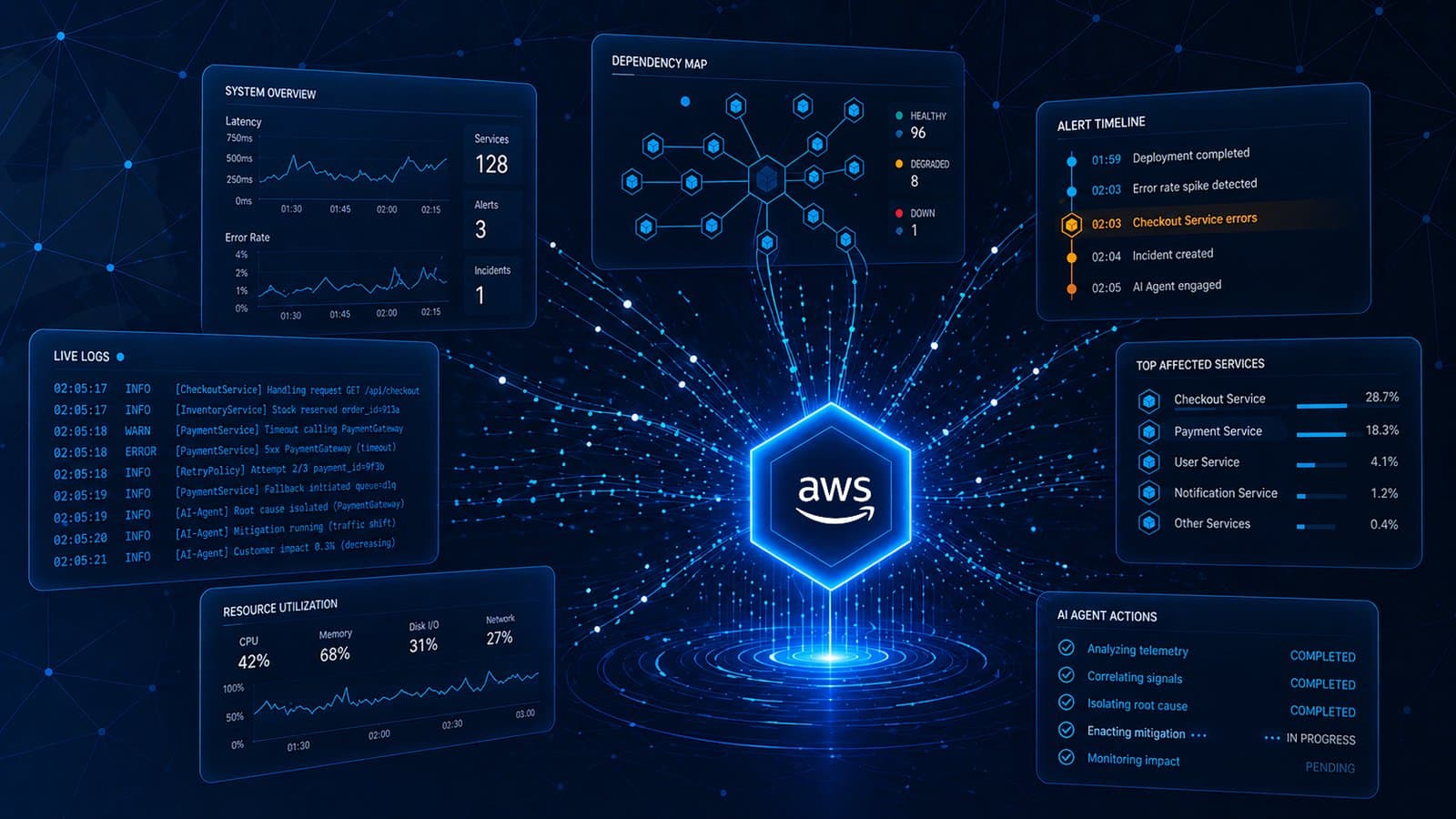
On March 31, 2026, AWS moved two of its most ambitious AI services from preview to general availability.