

DevOps
The EU AI Act’s August 2 Deadline Didn’t Move. Here’s What Still Hits in 10 Weeks.
There’s a comforting story circulating in European tech leadership circles right now: that the deadline has slipped.
According to the DevOps Institute’s Global Upskilling IT Report 2022:
47% (most) of the organizations think that both DevOps and DevSecOps are critical must-have operational models.
At the same time, 40% of survey respondents said the resource and skill shortage is one of their top three challenges today.
So one question immediately pops up:
How can you incorporate the DevOps model into your organization when it’s so hard to find talent?
The answer:
DevOps outsourcing.
In this article, you will learn all about DevOps outsourcing, whether you should do it, how to make it work, its benefits, and more.
Let’s get started!
DevOps outsourcing refers to delegating certain DevOps functions or processes to external third-party service providers or vendors. DevOps, a combination of development and operations, is an approach that emphasizes collaboration, communication, and integration between software development teams and IT operations teams to enable faster and more efficient software delivery.
Outsourcing DevOps functions includes activities such as:
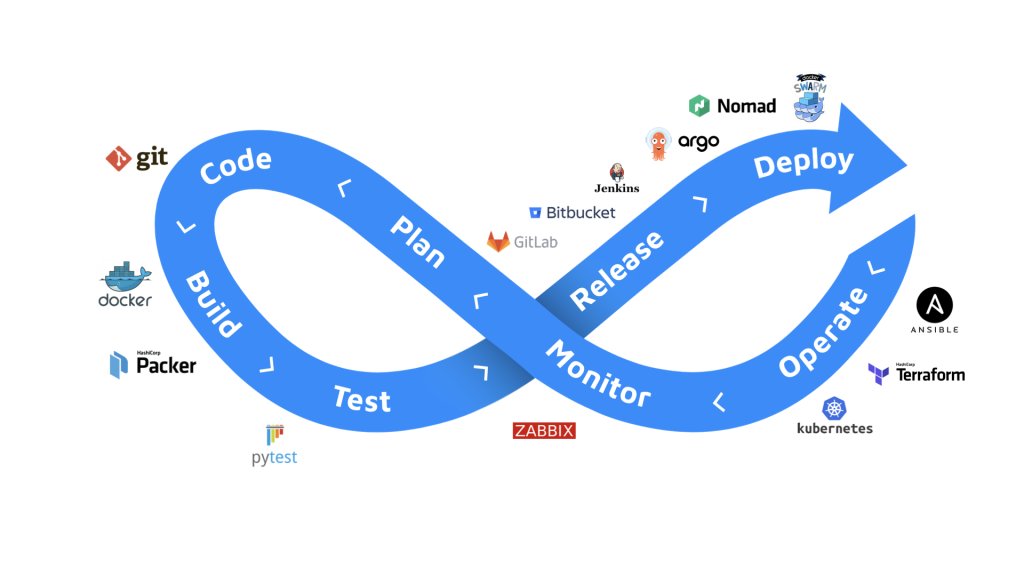
The end goal of the DevOps approach is to shorten the software development lifecycle (SDLC).
But there is no one way to do it.
Each of your projects might require a different approach. And here are some of them:
In this model, an external vendor collaborates with your internal team to automate and streamline the building, testing, and deployment of applications and infrastructure. Their team of DevOps experts assists your organization in establishing end-to-end processes, starting from scratch and incorporating the four continuous stages of the DevOps workflow.
DevOps consulting involves engaging with experienced DevOps experts who evaluate your existing processes, provide valuable insights to enhance them, and assist in implementing the required changes to align with your business objectives.
DevOps automation outsourcing involves partnering with a specialized vendor or team with expertise in DevOps automation tools and technologies and implementing best practices.
You can choose to outsource only the operations part of the tasks. This way, the external provider will enable your in-house teams to focus on higher-value aspects such as maturing DevOps practices, automation, and more.
Understanding the DevOps methodology isn’t enough. To make an informed decision about outsourcing this part of your business, you need to know the advantages and disadvantages that come with it.
Here are some of them:
Despite all the benefits of DevOps outsourcing, you might still not be sold on hiring an outside vendor. And that’s fine.
Going the traditional way might sound tempting, so let’s review the other side of the coin – building an in-house DevOps team.
Here are some of the pros and cons:
Expectedly, each option has its advantages and disadvantages. It strictly depends on your business, its needs, and what will work best for you. But either way, the key is to have as much information as possible to make the best decision possible.
Although they are hired to perform highly technical jobs, working with a third-party DevOps team is the same as hiring any other third-party vendor. You have to follow a set of predetermined steps to ensure the smooth sailing of your partnership.
Let’s take a look at some of the most crucial ones:
To begin, it is important to establish the objectives and challenges you aim to address through DevOps implementation. By defining specific goals and areas for enhancement, you can effectively select a suitable DevOps company that aligns with your unique business needs. Consider scalability, cost optimization, round-the-clock support, migration capabilities, and big data solutions.
While assessing potential DevOps outsourcing partners, it is crucial to evaluate their technical proficiencies. Verify whether they possess the necessary skills, tools, certifications, and a portfolio of completed projects supported by customer reviews. This information will aid in determining the partner’s competence and reliability in delivering successful DevOps solutions.
After selecting a vendor, it is essential to formalize the partnership through a contractual agreement. This involves considering the collaboration and pricing models offered by the DevOps company, as they may present different options. By carefully assessing these factors, you can establish a clear and mutually beneficial contract that outlines the terms and conditions of the partnership.
Finalizing a contract is just the beginning of successful DevOps outsourcing. It is crucial that your DevOps partner comprehends the relevant metrics specific to your business and adheres to them to measure performance effectively.
If you’re looking for a DevOps team of experts with 15+ years that can join your team part-time/full-time, you found it.
Get access to all our DevOps engineers, who have a wide range of experiences in different spheres of business. Let us help you streamline your processes and shorten the software development lifecycle (SDLC).
Book a free consultation with us, and let’s get this ball rolling.
Originally published on opshero.com
There’s a comforting story circulating in European tech leadership circles right now: that the deadline has slipped.

There’s a regulatory deadline most DevOps teams have not internalised yet. On 11 September the clock starts.
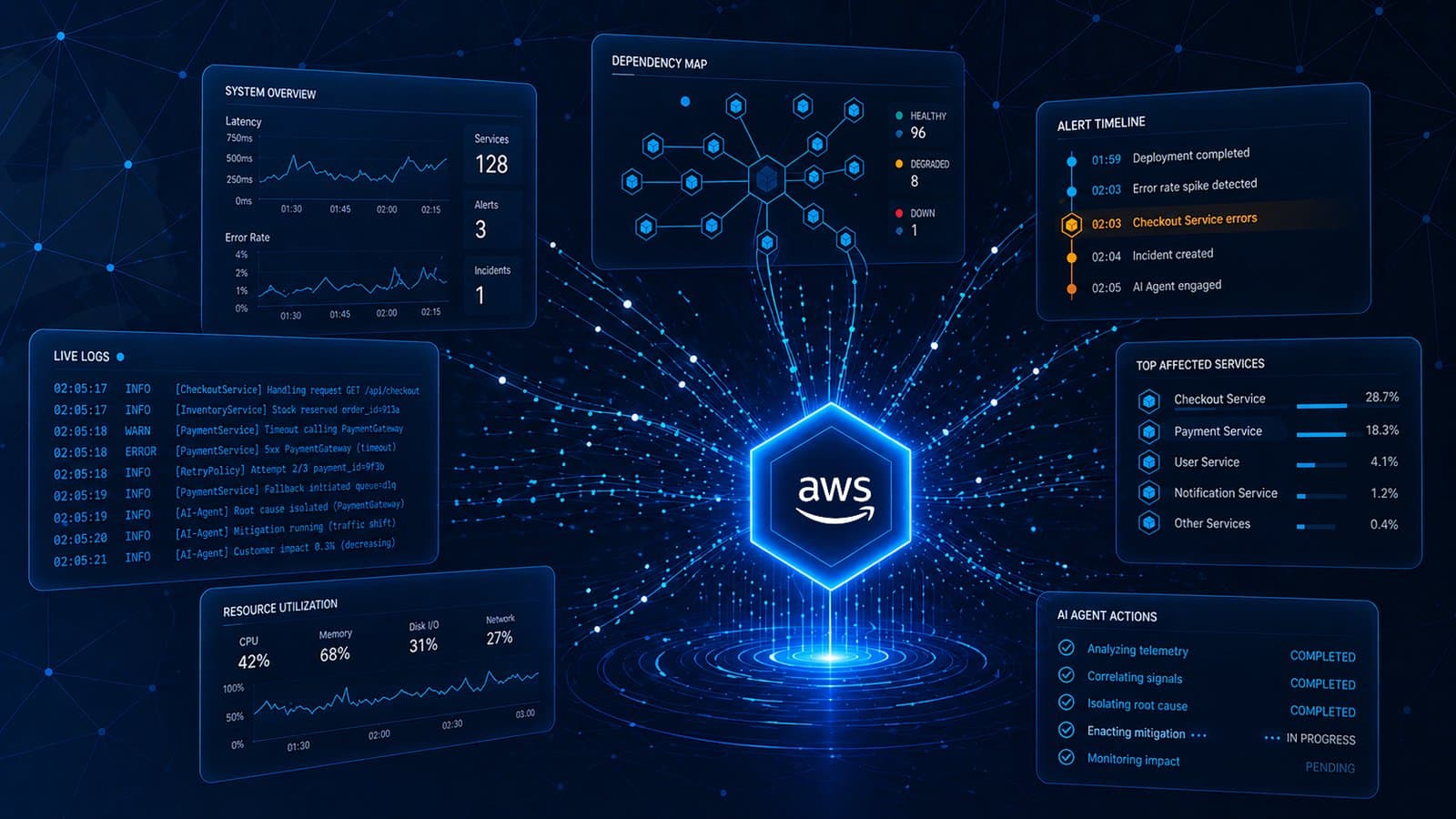
On March 31, 2026, AWS moved two of its most ambitious AI services from preview to general availability.