
DevOps
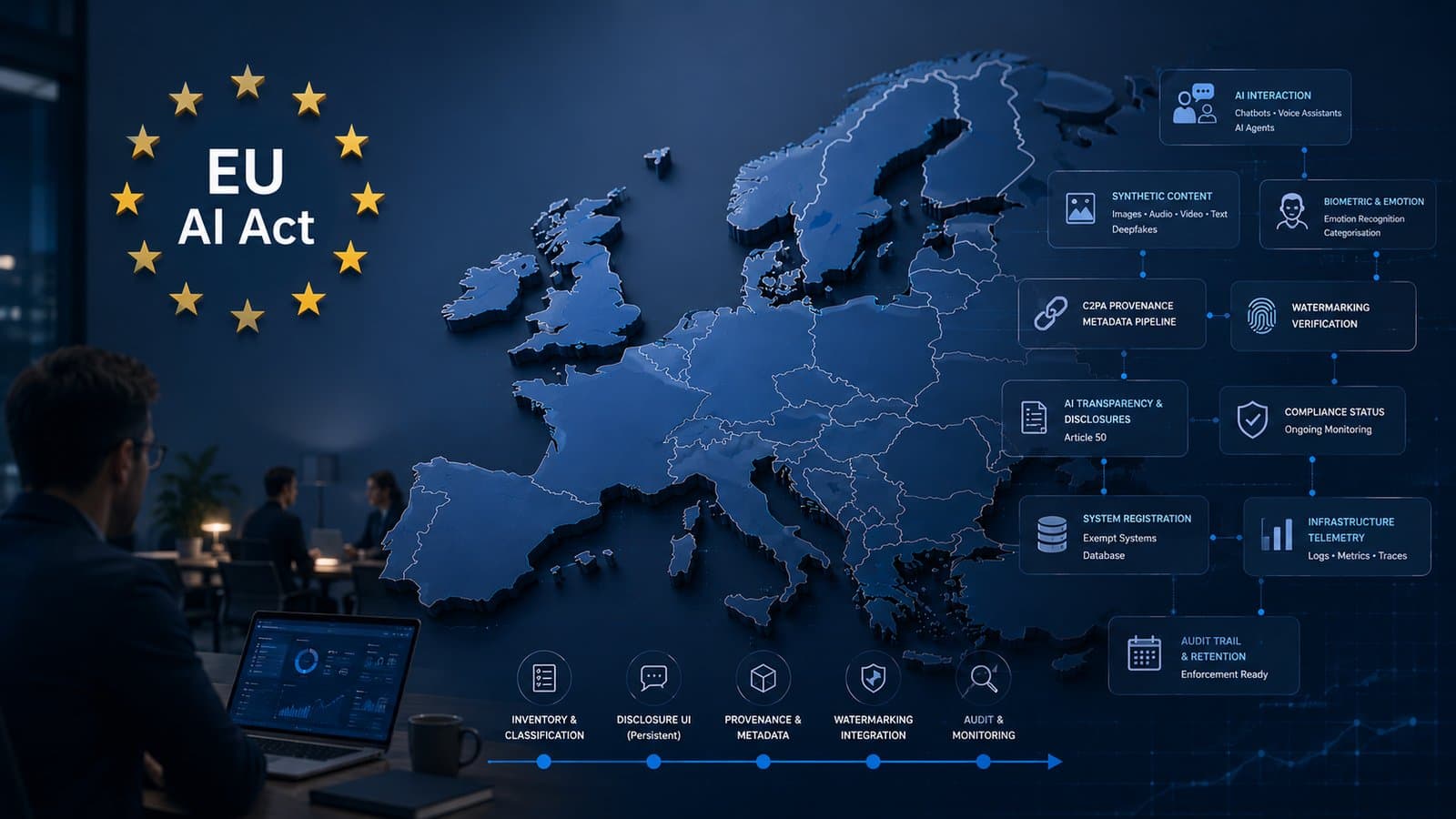
The EU AI Act’s August 2 Deadline Didn’t Move. Here’s What Still Hits in 10 Weeks.
There’s a comforting story circulating in European tech leadership circles right now: that the deadline has slipped.
67% of enterprise infrastructure is now cloud-based.
92% of businesses have a multi-cloud strategy in place or in the works.
Of course, this is nothing new, as businesses have reaped the benefits and versatility of the cloud for years now.
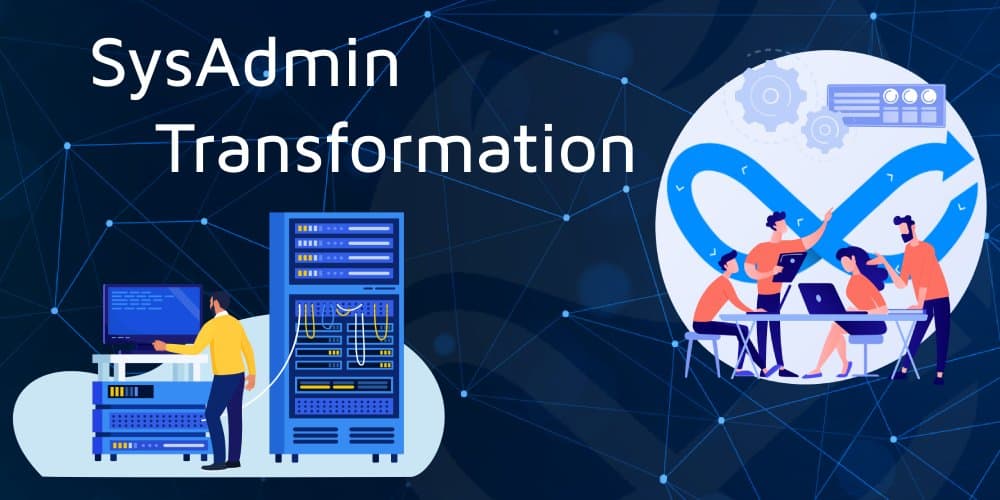
However, during this time, not only companies moved from on-premises to virtual servers, but also system administrators had to make the transition to supporting the cloud.
And in the following lines, we’ll delve deeper into this switch, what the role of sysadmins is today in the IT world, and what you will need to transition to cloud administrator.
Read on.
Cloud computing involves the convenient and flexible delivery of IT resources through the Internet, allowing users to access technology services like computing power, storage, and databases on a pay-as-you-go basis.
Rather than investing in physical data centers and servers, businesses can rely on a cloud provider to fulfill their computing needs on-demand, avoiding the burden of ownership and maintenance.
Advantages like flexibility, pay-as-you-go, and on-demand are the exact reason why cloud computing has become the IT infrastructure backbone of modern companies. But also:
But with cloud computing rapidly gaining popularity and market share, the role of system administrator had to undergo a lot of changes.
Leading us to the question…
The truth is:
Transitioning from traditional on-premises system administration to cloud-based administration is not just about connecting to different servers to perform the same tasks.
What’s also true is that although cloud computing has its own specter of responsibilities, this does not mean all system administrators’ tasks from supporting on-prem infrastructures will become obsolete.
Hardware still needs to be purchased, networks still need to be built, software still needs to be written, data still needs to be stored and security policies still need to be put into place. And many of these tasks are handed over to the cloud service.
With that being said:
Yes, sysadmins are still an irreplaceable part of the IT industry.
But their role needs to evolve…
A system still needs to be administered even if it’s on the cloud.
But…
The administrative tasks in cloud environments differ significantly in various aspects.
For instance, in the cloud, software patching may not be necessary as you might utilize software-as-a-service (SaaS) applications that the cloud provider automatically patches.
Also, administration tooling in the cloud is quite different. Instead of focusing on mastering tools like Active Directory, cloud administrators need to work with IAM (Identity and Access Management) frameworks. Similarly, instead of dealing with the intricacies of setting up RAID arrays, they must learn how object storage services function.
So what does all of this mean?
Well, people with conventional sysadmin skills are not necessarily equipped to administer cloud-based environments.
So if you want to future-proof your career, you will need to upskill yourself and become a cloud administrator.
Here’s a list of the top 7 skills you will need to make the switch to cloud admin:
Familiarity with major cloud platforms such as AWS, Azure, Google Cloud, and others. Understanding the various services offered, including computing, storage, networking, databases, and more.
Knowledge of designing and implementing cloud architectures that are secure, scalable, and cost-efficient.
Proficiency in tools like Terraform or AWS CloudFormation to automate the provisioning and management of cloud resources.
Understanding IAM frameworks to manage user access, roles, and permissions within cloud environments.
Knowledge of cloud networking concepts like Virtual Private Cloud (VPC), subnets, security groups, load balancers, and VPN connections.
Awareness of cloud security measures, encryption, access controls, and compliance standards to protect data and applications.
Skills in monitoring and managing cloud resources, identifying and resolving issues, and optimizing performance.
Looking closely at other industries throughout the years, it’s easy to notice similar industry shifts due to technology improvements.
For instance, assembly line workers had to upskill to robotics technicians with the penetration of AI and machine learning. Also, some energy technicians had to transition to renewable energy specialists as the world focuses more on renewable energy sources.
Stepping back and assessing the situation, it’s not about sysadmins going obsolete but rather evolving their skills and responsibilities with the improvement of the entire industry.
That being said, It’s not a matter of “if” an organization will utilize cloud computing, it’s a matter of “when”.
So knuckle down, upskill, and excel in your new Cloud Admin role!
Originally published on opshero.com
There’s a comforting story circulating in European tech leadership circles right now: that the deadline has slipped.
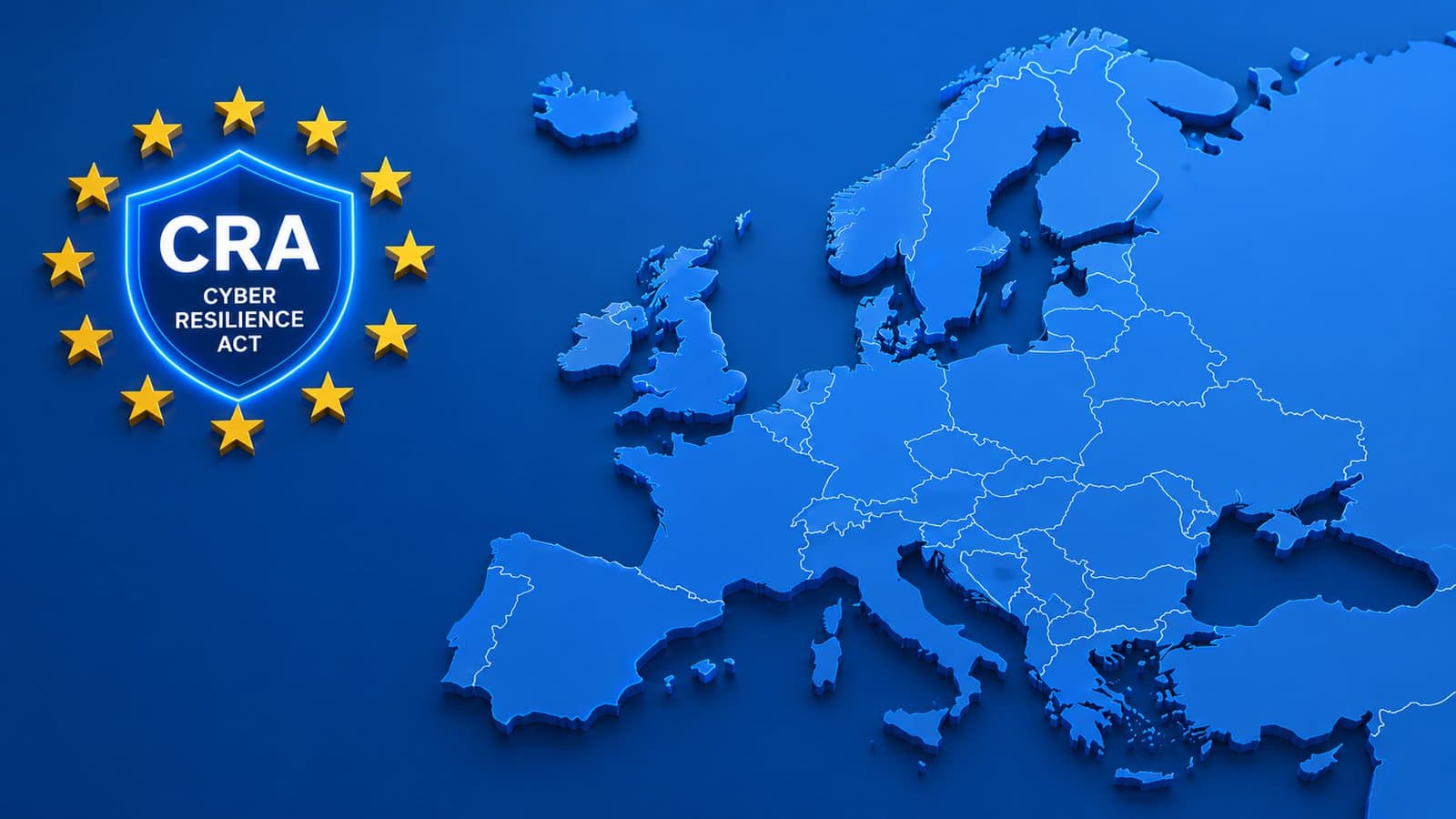
There’s a regulatory deadline most DevOps teams have not internalised yet. On 11 September the clock starts.
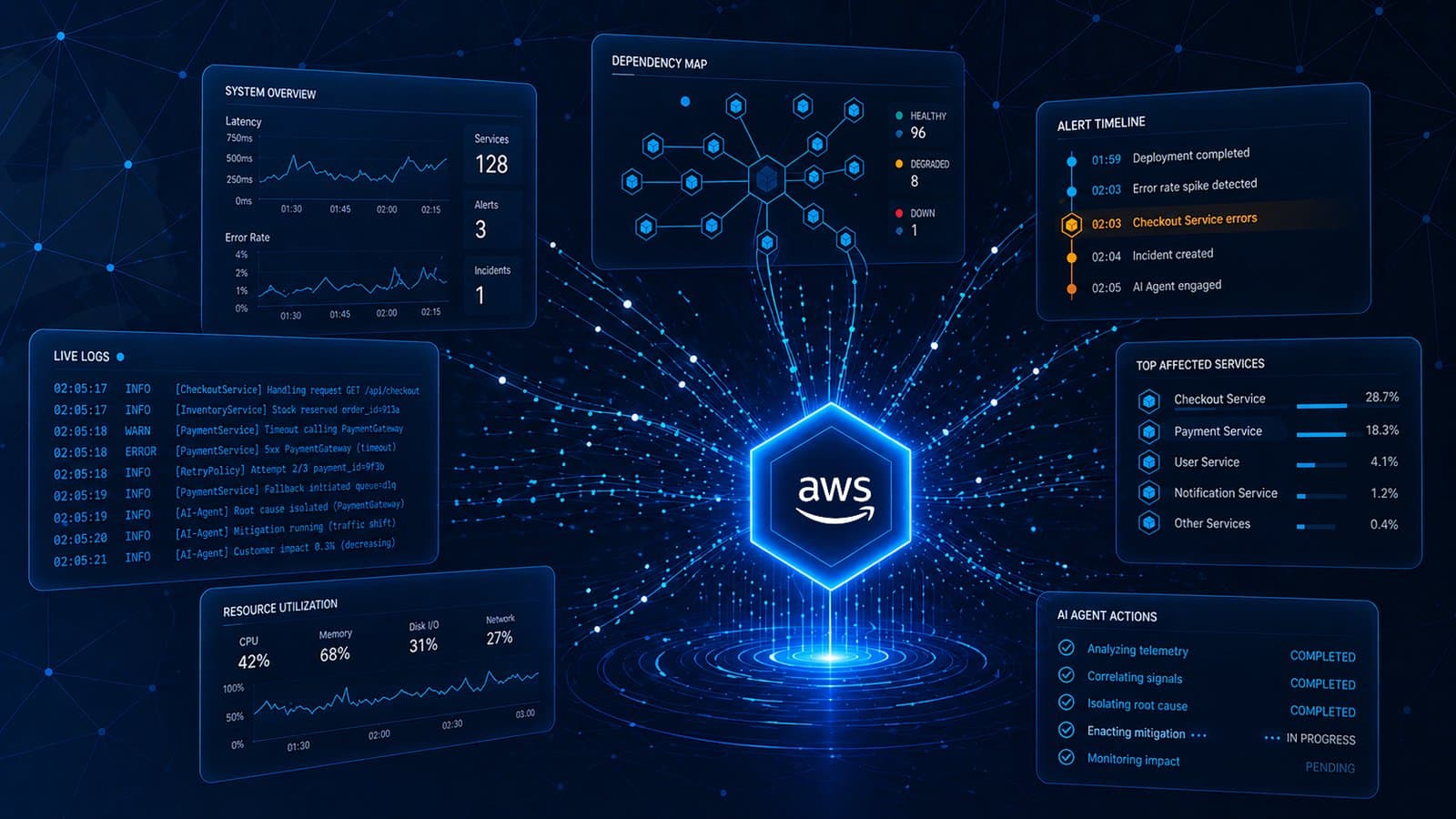
On March 31, 2026, AWS moved two of its most ambitious AI services from preview to general availability.