

DevOps
The EU AI Act’s August 2 Deadline Didn’t Move. Here’s What Still Hits in 10 Weeks.
There’s a comforting story circulating in European tech leadership circles right now: that the deadline has slipped.
Kubernetes has become the backbone of modern infrastructure. Every quarter, a new release brings improvements that shape how enterprises run workloads at scale. With Kubernetes 1.34 set to go GA at the end of August 2025, it’s time to start preparing.
Unlike some past releases, v1.34 is not introducing major deprecations or breaking removals. On the surface, that may sound like a “quiet” update. But make no mistake: there are significant enhancements in scheduling, APIs, security, and operational usability that teams need to validate before rolling out.
In this article, we’ll cover:
ubernetes is not just an orchestration platform anymore—it’s the platform of platforms, underpinning PaaS systems, developer platforms, and managed cloud offerings. Even a small change in scheduling logic or API graduation can ripple through:
Skipping testing until after GA is risky. It’s much cheaper to find compatibility issues in staging than to troubleshoot broken workloads in production.
The Kubernetes scheduler is receiving incremental but impactful upgrades:
Why it matters: If you’re running latency-sensitive apps or high-density clusters, these changes can improve performance stability.
Kubernetes 1.34 is a “stability milestone”:
Examples of APIs expected to stabilize include:
Why it matters: Relying on GA APIs means you can safely use them in production without worrying about sudden changes.
Security has been a major focus in recent Kubernetes releases, and v1.34 continues that trend:
Why it matters: With supply-chain and compliance pressures growing, these updates make it easier to enforce least privilege and auditability in production clusters.
For cluster operators and SREs, there are smaller but highly useful improvements:
kubectl improvements: Better status messages, more consistent error handling, and expanded JSONPath support.Why it matters: These tweaks reduce time-to-diagnosis during incidents and make day-2 operations more predictable.
Testing isn’t just about making sure the cluster starts. It’s about validating that workloads, policies, and pipelines behave consistently under the new version. Here’s a practical guide:
kubectl deprecations or pluto to detect outdated APIs in your manifests.Canary clusters first: Don’t roll cluster-wide upgrades in one shot. Start with non-critical environments.
Observability is key: Watch metrics like API server latency, scheduler throughput, and kubelet memory after upgrade.
Chaos engineering: Inject pod failures and node drains to see if the new scheduler and PDBs behave predictably.
Don’t skip etcd: Always snapshot etcd before upgrades—recovery is faster than a full rebuild.
Kubernetes 1.34 may not break things with removals, but its enhancements are too important to ignore. The smarter scheduler, stabilized APIs, and security refinements all contribute to making clusters more predictable, resilient, and compliant.
Teams that prepare early will:
The real value isn’t just in adopting Kubernetes 1.34—it’s in using the release as an opportunity to clean up technical debt. Audit your configs, retire old feature gates, and tighten your upgrade process.
The GA release is just weeks away. Start testing now, and your future self will thank you.
At OpsHero.com, we help companies plan, test, and execute Kubernetes upgrades without downtime or surprises. Our DevOps architects can guide you through staging tests, security validations, and production rollouts—so your team can focus on delivering features, not firefighting infrastructure.
Originally published on opshero.com
There’s a comforting story circulating in European tech leadership circles right now: that the deadline has slipped.
There’s a regulatory deadline most DevOps teams have not internalised yet. On 11 September the clock starts.
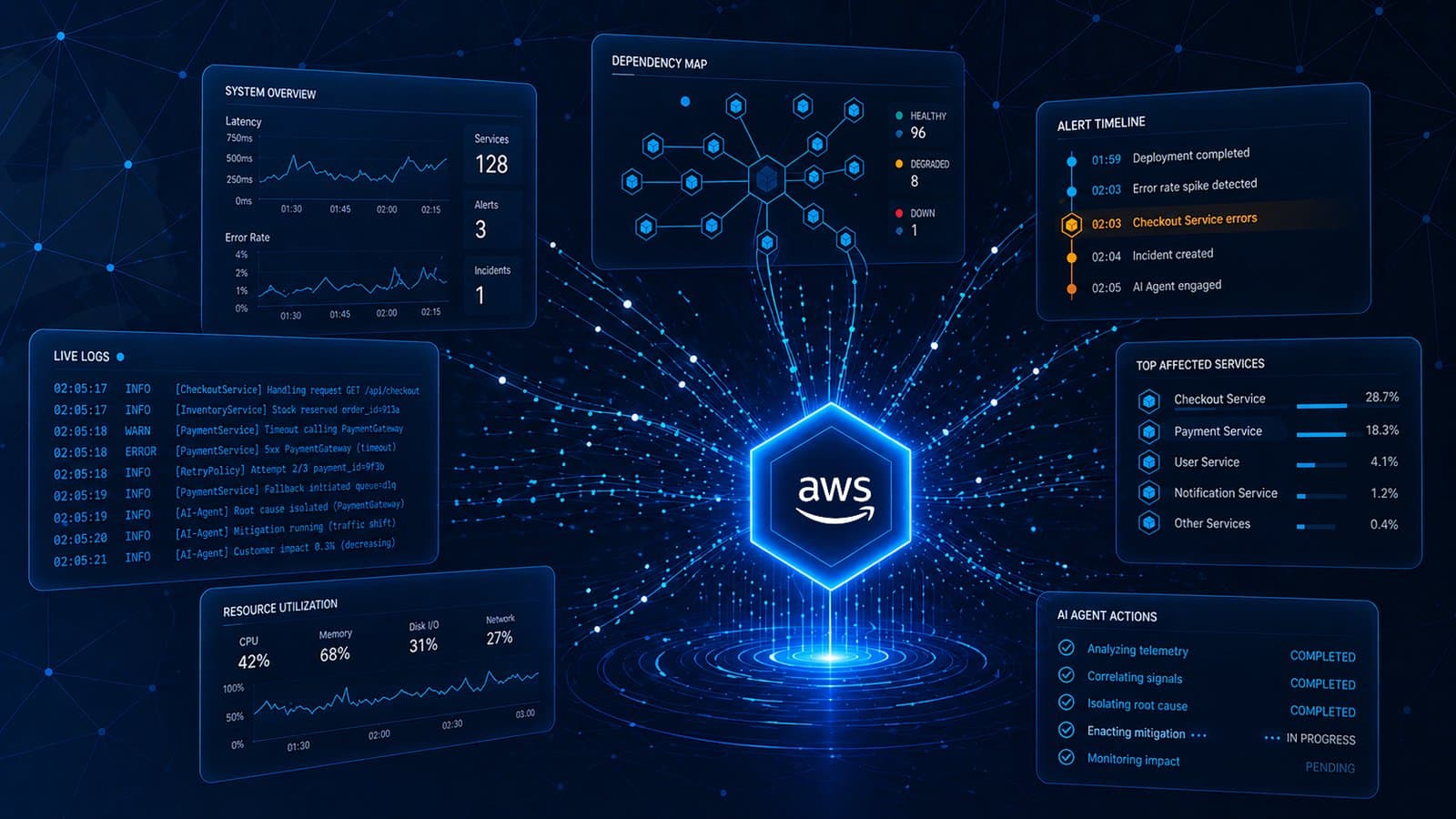
On March 31, 2026, AWS moved two of its most ambitious AI services from preview to general availability.