

DevOps
The EU AI Act’s August 2 Deadline Didn’t Move. Here’s What Still Hits in 10 Weeks.
There’s a comforting story circulating in European tech leadership circles right now: that the deadline has slipped.
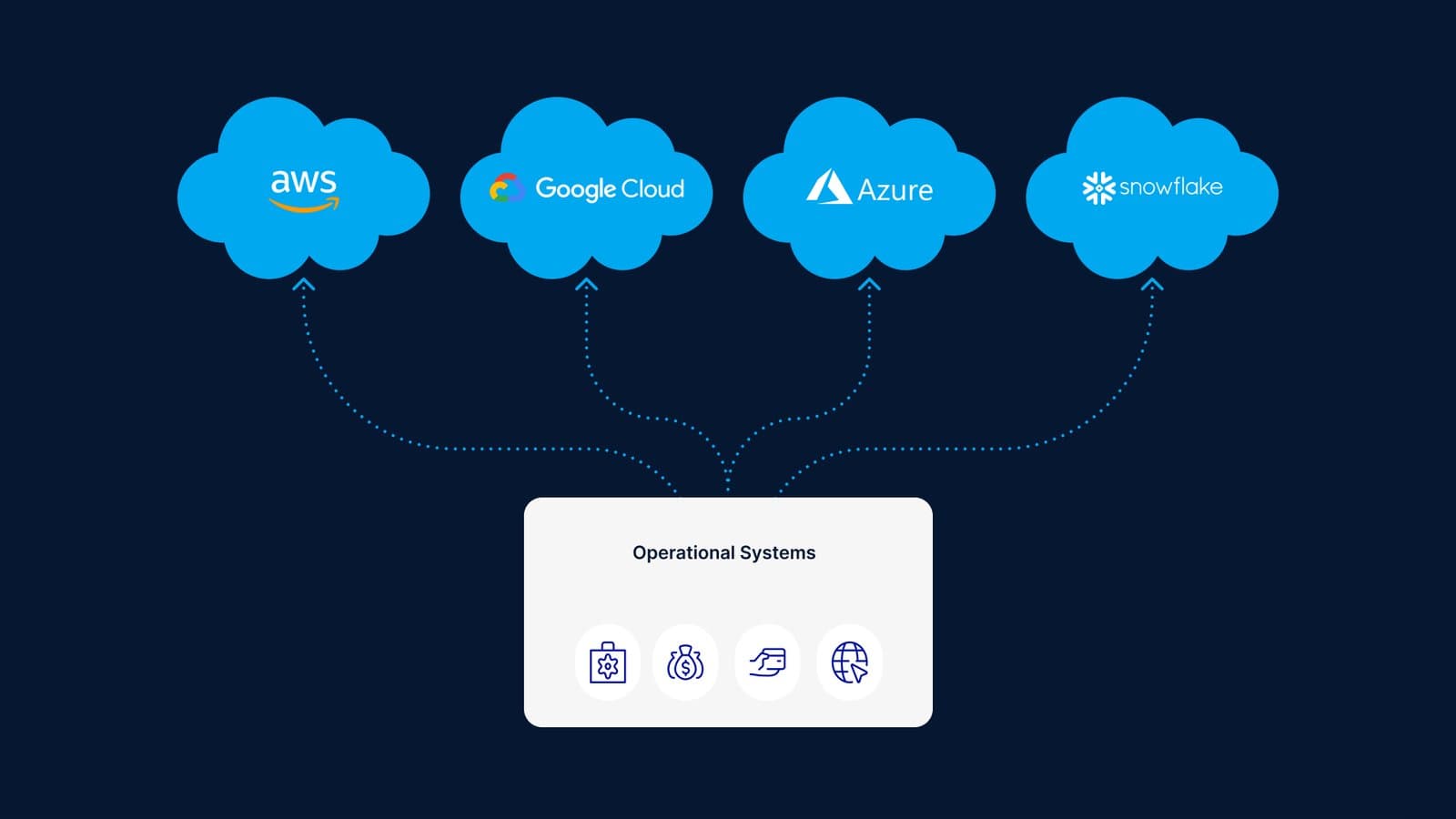
Multi-cloud continues to be the most pervasive cloud strategy chosen by technology practitioners and decision-makers.
Never heard of it? Or are you on the verge of adopting multi-cloud?
Either way, you are at the right place.
By the end of this article, you will know everything about the strategy, its benefits, what may hinder the adoption process, and how to handle it.
And if you need to persuade your organization that multi-cloud is the way to move forward, we have some stats to back up your statements.
Let’s roll!
Multi-cloud refers to a cloud computing strategy in which an organization uses multiple cloud service providers to meet its various computing needs.
Instead of relying on a single cloud provider, such as Amazon Web Services (AWS), Microsoft Azure, or Google Cloud Platform (GCP), a multi-cloud approach involves using a combination of these providers and others. This strategy can also include utilizing private clouds or on-premises infrastructure alongside public cloud providers.
The key objective of adopting a multi-cloud strategy is providing the flexibility needed to operate in the most suitable computing environment for each workload.
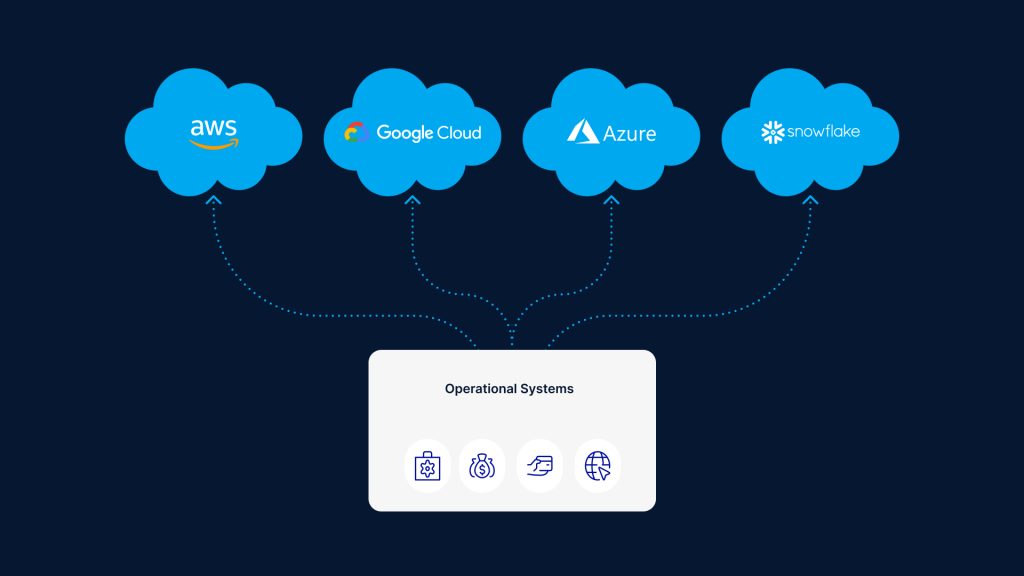
Source: Stream
The percentage of enterprises taking advantage of multiple cloud platforms and services is rising every year. The reason is that the multi-cloud strategy allows companies to:
Unlocking DevOps to seamless CI/CD: Multi-cloud can be beneficial for DevOps practices, enabling teams to use the best-suited cloud services and tools for their continuous integration and deployment pipelines.
Whatever your use case might be, there is no doubt that a multi-cloud strategy brings a lot to the table.
Some of the use cases mentioned above highlighted how your business can benefit from adopting multi-cloud. To build on it, here’s another five reasons to go “multi”:
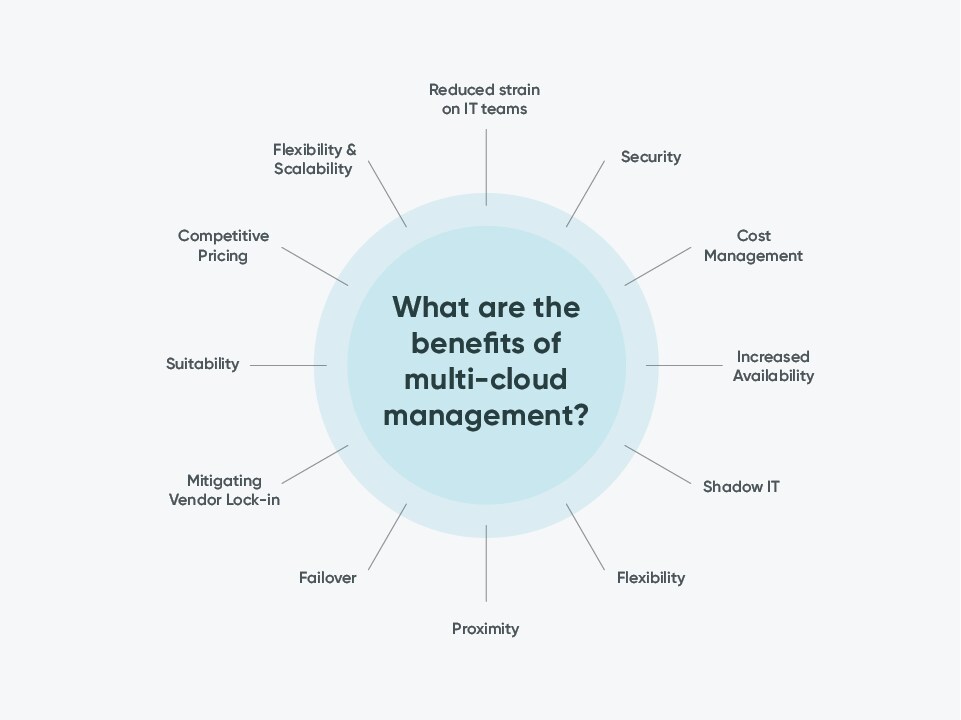
We can provide you with 10, 20, 30 benefits and advantages of the multi-cloud strategy, But we can all agree that there’s one thing that cannot be beaten when it comes to making a decision:
SOLID DATA.
And luckily, HashiCorp joined forces with Forrester for a third year in a row to examine the state of multi-cloud strategy.
Forrester conducted an online survey of 963 global technology practitioners and decision-makers, 93% of whom work at companies of 1,000 employees or more across a range of industries.
Then, they identified these respondents and the organizations they represent as high,
medium and low maturity based on their cloud practices across five technology and organizational dimensions: security, applications, infrastructure, networking,
and platform team operations.
The bottom 25% were identified as low maturity, the middle 50% as medium maturity, and the top 25% as high maturity.
But before diving into the numbers, you should bear in mind one of the most pivotal conclusions of the survey:
Organizations with higher maturity are better optimized for agility, efficiency, and scale in the cloud.
Now, about the data.
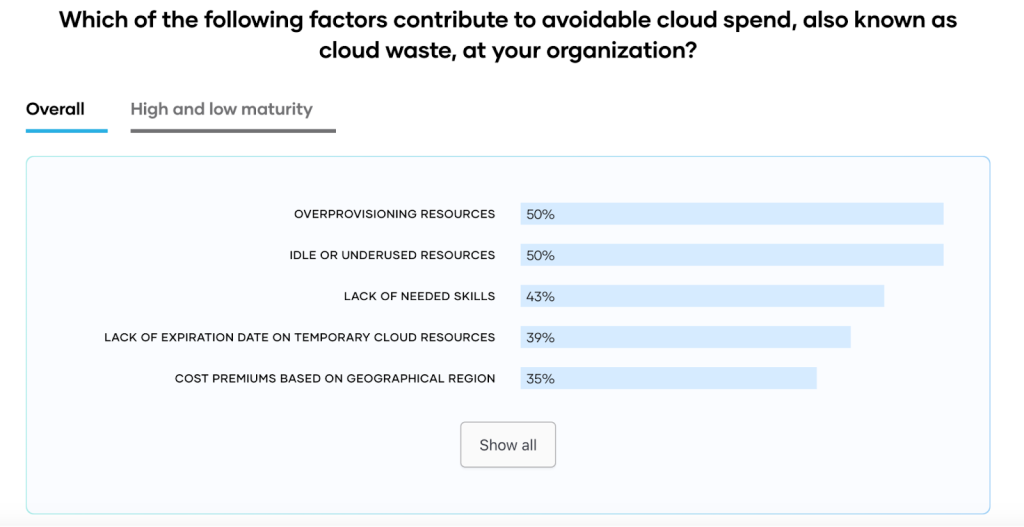
As it turns out, the benefits that we listed earlier are among the top drivers of multi-cloud adoption:
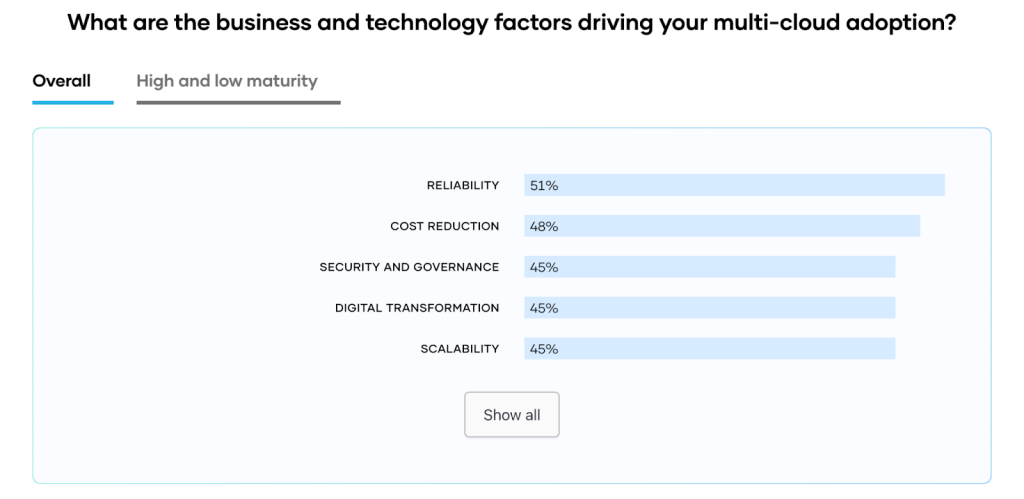
Source: HashiCorp
We can all agree that a multi-cloud strategy delivers a wide variety of benefits.
However, there is a big hurdle standing between a lot of companies and reaping the benefits of adopting a multi-cloud:
The shortage of skilled cloud talent.
And while high-maturity companies tend to benefit the most from the modern cloud strategy, the entire maturity spectrum is suffering when it comes to finding and hiring top talent.
When asked what factors complicate their organizations’ ability to operationalize multi-cloud, skills shortages (27%) was the most commonly selected response, followed by related issues such as siloed teams (26%) and lack of training (25%).
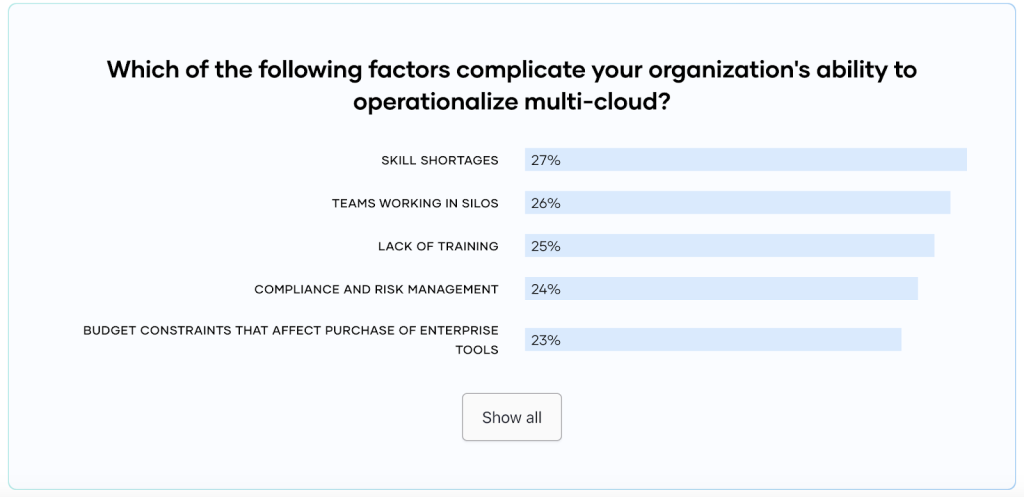
Source: HashiCorp
Obviously, building a team of seasoned cloud developers is a complex issue that may hinder your organization’s growth.
But what if instead of wasting time and resources on assembling the most skilled team one by one, you can hire an entire group of experts immediately?
A team like OpsHero.
OpsHero is a team of experts with 15+ years of IT experience that specializes in services like:
We can help you with a specific project or join your team part-time/full-time. Either way, you get access to all our DevOps engineers, who have a wide range of experiences in different spheres of business.
Book a free consultation with us, and let’s get this ball rolling.
Originally published on opshero.com
There’s a comforting story circulating in European tech leadership circles right now: that the deadline has slipped.

There’s a regulatory deadline most DevOps teams have not internalised yet. On 11 September the clock starts.
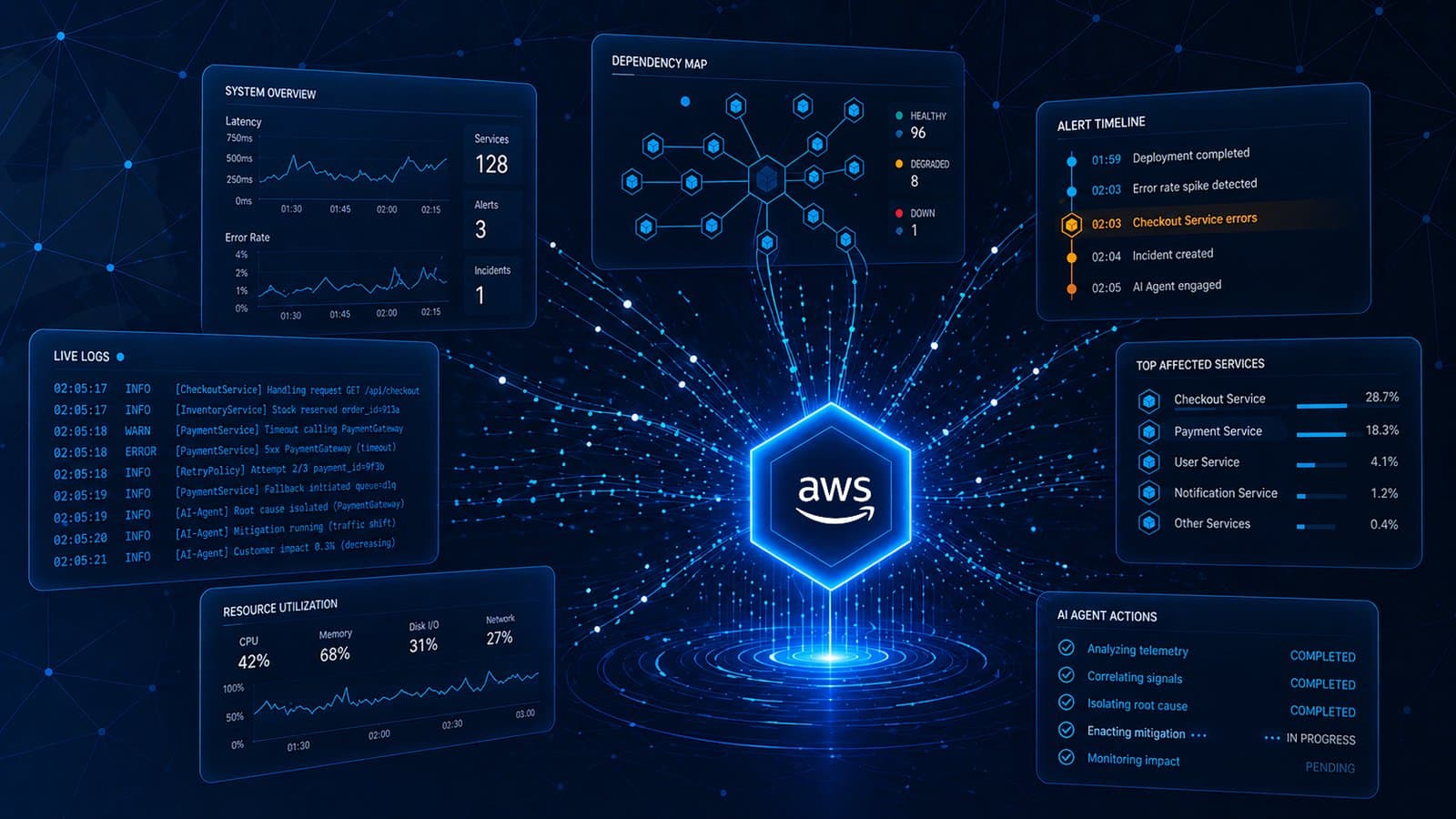
On March 31, 2026, AWS moved two of its most ambitious AI services from preview to general availability.